




Dental implants have become one of the most trusted and long-lasting solutions for replacing missing teeth. If you’re considering this treatment, one of the first questions you may have is: how long do dental implants last? Since dental implants are an investment in your oral health, appearance, and confidence, it’s natural to want to know how long they can serve you.
The good news is that with proper care, dental implants can last for decades—and many patients enjoy them for a lifetime. However, their longevity depends on several factors, including oral hygiene, lifestyle habits, overall health, and regular dental visits.
At Snow Family Dentistry, we believe patients should understand how to maximize the lifespan of their dental implants. This guide explains what affects implant longevity, the importance of implant care and implant maintenance, and practical tips to protect your investment for years to come.
What Is a Dental Implant?
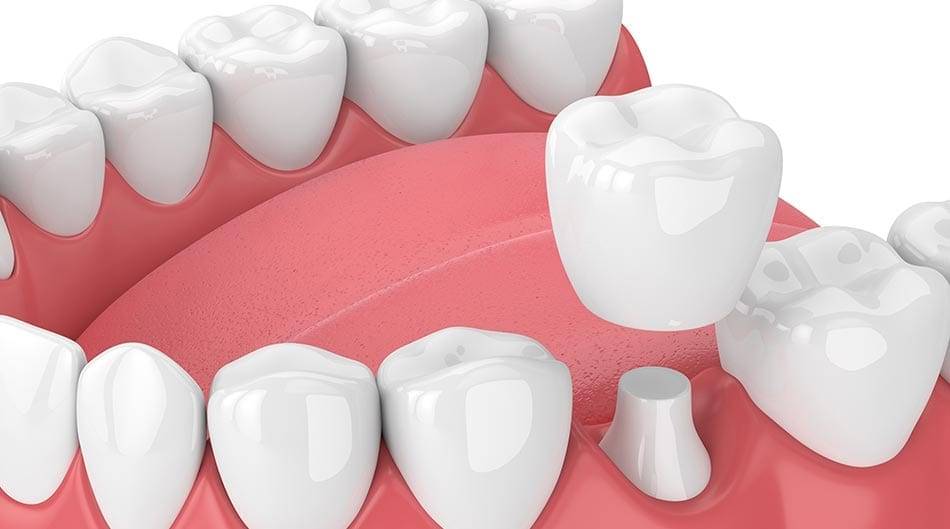
A dental implant is a permanent tooth replacement solution designed to replace the root of a missing tooth. It consists of three primary components:
| Component | Purpose |
| Implant Post | A titanium or zirconia post placed into the jawbone to act as an artificial tooth root |
| Abutment | Connects the implant post to the replacement tooth |
| Crown | The visible custom-made tooth that restores appearance and function |
Unlike removable dentures, dental implants become integrated with the jawbone through a process called osseointegration, creating exceptional stability and durability.
How Long Do Dental Implants Last?
The answer depends on which part of the implant you’re referring to.
Implant Post
The implant post is designed to be a permanent replacement for a natural tooth root. With excellent oral hygiene and regular professional care, it can last 25 years or more, and many patients keep their implants for life.
Dental Crown
The crown attached to the implant generally lasts 10 to 15 years, although many last significantly longer with proper maintenance. Over time, crowns may need replacement due to normal wear, chips, or cosmetic reasons rather than implant failure.
Average Lifespan
- Implant post: 25+ years or lifetime
- Dental crown: 10–15+ years
- Success rate: Over 95% in healthy patients who follow recommended care
This makes dental implants one of the most durable tooth replacement options available today.
Why Dental Implants Last So Long
Dental implants are unique because they replace both the tooth root and the visible tooth.
Several factors contribute to their long lifespan:
Biocompatible Materials
Most implants are made from titanium, which is highly compatible with the human body and naturally fuses with bone.
Strong Jawbone Integration
Once healed, the implant becomes firmly anchored within the jawbone, providing stability similar to a natural tooth.
Resistant to Decay
Implants cannot develop cavities like natural teeth. However, the surrounding gums still require proper care to remain healthy.
Custom Restoration
Each implant crown is designed to fit your bite comfortably, reducing uneven pressure during chewing.
Factors That Affect Dental Implant Longevity
While implants are built to last, several factors influence how long they remain successful.
Quality of Oral Hygiene
Poor brushing and flossing can lead to plaque buildup around the implant, increasing the risk of gum disease and bone loss.
Excellent implant care helps keep surrounding tissues healthy.
Regular Dental Checkups
Routine dental visits allow your dentist to:
- Monitor implant stability
- Remove hardened plaque
- Check your bite
- Detect early signs of complications
Preventive care often prevents small issues from becoming larger problems.
Smoking
Smoking significantly increases the risk of implant complications by:
- Slowing healing
- Reducing blood flow
- Increasing infection risk
- Contributing to bone loss
Patients who quit smoking generally experience better long-term implant success.
Overall Health
Certain medical conditions may influence healing and implant longevity, including:
- Uncontrolled diabetes
- Osteoporosis
- Autoimmune disorders
- Conditions affecting bone healing
Proper medical management often improves implant outcomes.
Teeth Grinding (Bruxism)
Grinding or clenching places excessive force on implants and crowns.
A custom night guard may be recommended to protect your restoration while sleeping.
Bone Quality
Strong, healthy jawbone provides better long-term support.
Some patients may require bone grafting before implant placement if bone loss has occurred.
Why Implant Care Is So Important
Although implants cannot decay, the surrounding gums and bone remain vulnerable.
Without proper implant care, bacteria can accumulate around the implant and cause inflammation.
This condition may progress to peri-implantitis, an infection that can damage supporting bone and eventually threaten the implant itself.
Daily cleaning is essential for maintaining healthy gums and protecting your investment.
Daily Implant Care Routine
A consistent oral hygiene routine plays a major role in long-term implant success.
Brush Twice Daily
Use a soft-bristled toothbrush to clean around the implant thoroughly.
Brush for at least two minutes using gentle circular motions.
Floss Every Day
Floss helps remove plaque between teeth and around implants where brushes cannot reach.
Special implant floss or interdental brushes may provide additional cleaning.
Use Non-Abrasive Toothpaste
Avoid highly abrasive whitening toothpastes that may scratch the implant crown.
Choose products recommended by your dental provider.
Consider an Antibacterial Mouthwash
Alcohol-free antibacterial rinses may help reduce harmful bacteria while supporting healthy gums.
Professional Implant Maintenance
Home care alone is not enough.
Professional implant maintenance helps ensure your implants remain healthy for many years.
During routine appointments, your dental team may:
Perform Professional Cleaning
Specialized instruments remove plaque and tartar safely around implants.
Evaluate Gum Health
Healthy gums are essential for implant stability.
Your dentist checks for signs of inflammation or infection.
Monitor Bone Levels
Digital X-rays help monitor bone supporting the implant.
Early changes can often be managed before serious damage occurs.
Check Crown Condition
Your implant crown is examined for:
- Wear
- Cracks
- Loose components
- Bite alignment
Signs Your Dental Implant Needs Attention
While implants are highly successful, it’s important to recognize warning signs.
Contact your dentist if you experience:
- Persistent pain
- Swollen or bleeding gums
- Loose implant
- Loose crown
- Difficulty chewing
- Bad taste around the implant
- Gum recession
- Pus or drainage
Early treatment can often preserve the implant.
Foods That Help Protect Dental Implants
Nutrition supports both healing and long-term oral health.
Beneficial Foods
Choose foods rich in:
- Calcium
- Vitamin D
- Protein
- Vitamin C
- Phosphorus
Examples include:
- Dairy products
- Fish
- Eggs
- Leafy greens
- Lean meats
- Fresh fruits
- Nuts
Foods to Limit
Although implants are durable, some foods can damage crowns or increase stress.
Avoid frequently chewing:
- Ice
- Hard candy
- Popcorn kernels
- Pens
- Extremely sticky candy
Using your teeth as tools should also be avoided.
Lifestyle Tips to Protect Your Investment
Simple habits can greatly increase implant lifespan.
Wear a Mouthguard During Sports
Protect implants from accidental trauma during athletic activities.
Treat Teeth Grinding
Night guards reduce excessive pressure while sleeping.
Quit Smoking
Stopping tobacco use significantly improves long-term oral health.
Stay Hydrated
Adequate saliva helps wash away bacteria and protect gum tissues.
Maintain Regular Dental Visits
Most patients benefit from professional cleanings every six months, although your dentist may recommend more frequent visits based on your needs.
Who Is a Good Candidate for Dental Implants?
Many adults with missing teeth may qualify for dental implants.
Ideal candidates typically have:
- Healthy gums
- Adequate jawbone
- Good overall health
- Commitment to oral hygiene
- Realistic expectations
Even if bone loss has occurred, additional procedures may make implants possible.
A comprehensive consultation at Snow Family Dentistry can determine whether dental implants are the right solution for your smile.
Common Reasons Dental Implants May Fail
Although uncommon, implant failure can occur.
Possible causes include:
Poor Oral Hygiene
Plaque buildup increases the risk of gum infection.
Smoking
Tobacco slows healing and raises complication rates.
Infection
Untreated peri-implantitis can damage supporting bone.
Excessive Bite Pressure
Grinding or improper bite alignment may stress the implant.
Medical Conditions
Certain uncontrolled health conditions may interfere with healing.
Fortunately, many of these risks are preventable through proper implant maintenance and professional care.
Benefits of Long-Lasting Dental Implants
Dental implants offer benefits beyond replacing missing teeth.
Improved Confidence
A natural-looking smile can enhance self-esteem.
Better Chewing Ability
Enjoy a wider variety of foods comfortably.
Bone Preservation
Implants help stimulate the jawbone, reducing bone loss associated with missing teeth.
Stable Restoration
Unlike removable dentures, implants stay securely in place.
Long-Term Value
Although implants may require a higher initial investment, their durability often makes them more cost-effective over time.
Implant Care Checklist
| Daily Habit | Why It Matters |
| Brush twice daily | Removes plaque and bacteria |
| Floss every day | Cleans around the implant |
| Use a soft toothbrush | Protects gum tissue |
| Visit your dentist regularly | Detects problems early |
| Avoid smoking | Improves healing and longevity |
| Wear a night guard if needed | Prevents excessive pressure |
| Eat a balanced diet | Supports healthy gums and bone |
| Report unusual symptoms promptly | Helps prevent implant complications |
Why Choose Snow Family Dentistry for Dental Implants?
Choosing an experienced dental team is one of the most important steps in achieving long-lasting implant success.
At Snow Family Dentistry, patient care extends beyond implant placement. We focus on education, personalized treatment planning, and ongoing implant maintenance to help patients enjoy healthy, confident smiles for years to come.
Whether you’re replacing a single tooth or multiple missing teeth, our team provides comprehensive guidance from consultation through long-term follow-up care.
Our goal is to help every patient protect their investment with preventive care and individualized recommendations.
Conclusion
So, how long do dental implants last? In many cases, the implant itself can last a lifetime, while the crown may eventually need replacement after years of normal use. The key to long-term success lies in consistent implant care, excellent oral hygiene, healthy lifestyle choices, and regular implant maintenance.
Dental implants are one of the most reliable and durable tooth replacement options available today. By caring for them properly and partnering with a trusted dental team like Snow Family Dentistry, you can enjoy a functional, healthy, and beautiful smile for decades.
If you’re considering dental implants or already have them, schedule a consultation with Snow Family Dentistry to receive personalized recommendations for protecting your long-term oral health.
Frequently Asked Questions
The implant post can often last 25 years or longer, and many last a lifetime. The crown usually lasts 10 to 15 years or more with proper care.
Many dental implants last for the rest of a patient’s life when combined with excellent oral hygiene, regular dental visits, and healthy lifestyle habits.
Brush twice daily, floss every day, attend regular dental checkups, avoid smoking, and follow your dentist’s implant care recommendations.
Yes. While daily brushing and flossing are essential, professional implant maintenance appointments help monitor gum health, bone support, and the condition of the restoration.
Although uncommon, implants can fail due to infection, poor oral hygiene, smoking, uncontrolled medical conditions, or excessive bite pressure. Early treatment greatly improves the chance of saving the implant.