




Dental implant aftercare Mesa AZ is one of the most important factors in determining the long-term success of your dental implants. While dental implants are designed to be durable and long-lasting, proper daily care and professional maintenance play a critical role in protecting your investment and your oral health.
At Snow Family Dentistry, dental implants are viewed as a long-term solution that requires ongoing care, just like natural teeth. Understanding how to care for your implants helps preserve gum health, supports bone integration, and ensures crown stability for years to come.
Dental implant care does not have to be complicated. However, consistency and good habits make a meaningful difference in comfort, function, and overall oral wellness.
Understanding Dental Implants and How They Work
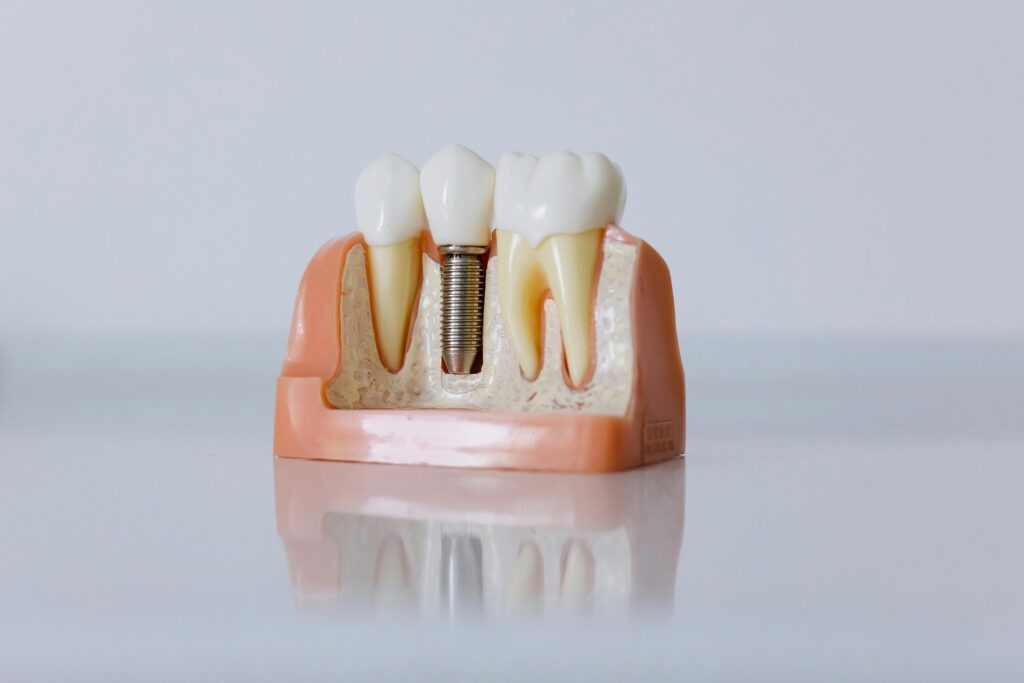
Dental implants are designed to replace missing teeth by mimicking the structure of a natural tooth. Each implant consists of a post that integrates with the jawbone, an abutment, and a crown that restores appearance and function.
Because implants rely on bone integration for stability, proper aftercare is essential during healing and beyond. While implants do not decay like natural teeth, the surrounding gums and bone still require careful attention.
Learning how implants function makes it easier to understand why daily care and regular dental visits are so important.
Why Dental Implant Aftercare Matters
Dental implant aftercare Mesa AZ is not just about keeping your smile looking good. It directly affects how well the implant heals and how long it lasts.
Good aftercare helps reduce the risk of inflammation around the implant, supports healthy gums, and protects the surrounding bone. Without proper care, even a well-placed implant can face complications.
By following professional guidance and maintaining strong oral hygiene habits, patients can enjoy the full benefits of their dental implants.
The Healing Process After Dental Implant Placement
Healing time after dental implant placement varies from patient to patient. Several factors influence healing, including overall health, bone quality, and oral hygiene habits.
In the early stages, the jawbone gradually bonds with the implant through bone integration. This process creates a stable foundation for the replacement tooth.
During healing, it is important to follow your dentist’s instructions closely. Gentle care, patience, and routine checkups all contribute to successful healing.
Daily Oral Hygiene for Dental Implants
Maintaining daily oral hygiene is essential for protecting your dental implants. While implants are artificial, the tissues around them are not.
Brushing at least twice a day removes plaque and bacteria that can affect gum health. Using a soft-bristled toothbrush helps clean around the implant without irritating the gums.
Consistency is key. A strong daily routine supports long-term implant success.
Flossing With Implants the Right Way
Flossing with implants is just as important as brushing. It helps remove plaque and debris from areas your toothbrush cannot reach.
Special floss or interdental cleaners may be recommended to clean around implant-supported crowns. These tools help protect the gums and maintain a clean implant site.
Regular flossing reduces inflammation and supports healthy gum tissue around the implant.
Protecting Gum Health Around Dental Implants
Healthy gums are essential for the success of dental implants. Gum tissue acts as a protective seal around the implant, helping block bacteria.
Signs of gum irritation, such as redness or swelling, should never be ignored. Early attention helps prevent more serious concerns.
Maintaining good gum health includes proper brushing, flossing, and routine dental evaluations.
Supporting Crown Stability Over Time
Crown stability depends on both the implant beneath and the care it receives. Implant crowns are strong, but they still experience daily pressure from chewing.
Avoid habits that place unnecessary stress on your implants, such as chewing ice or using teeth to open packages.
Routine dental visits allow your dentist to monitor crown stability and address small concerns before they become larger issues.
The Role of Bone Integration in Implant Success
Bone integration is the process that allows the implant to fuse with the jawbone. This step is essential for long-term stability.
Healthy bone integration requires time, proper care, and good oral hygiene. Smoking and poor hygiene habits can interfere with this process.
Supporting bone integration helps ensure your implant remains secure and functional.
Eating and Drinking After Dental Implant Placement
Diet plays an important role during healing time. In the early stages, softer foods are often recommended to avoid pressure on the implant.
As healing progresses, most patients can gradually return to a normal diet. However, balanced nutrition continues to support gum health and bone strength.
Staying hydrated and choosing tooth-friendly foods benefits both implants and natural teeth.
Managing Healing Time With Professional Guidance
Healing time is a critical phase in dental implant aftercare in Mesa, AZ. During this period, your dentist monitors progress and ensures proper integration.
Attending follow-up appointments allows potential concerns to be addressed early. These visits also provide reassurance that healing is progressing as expected.
Professional guidance during healing contributes to long-term implant success.
Preventing Common Implant Care Mistakes
Even well-meaning patients can make mistakes when caring for dental implants. Skipping flossing, brushing too aggressively, or delaying dental visits can affect implant health.
Understanding proper techniques helps avoid unnecessary complications.
Education and consistency are key to preventing avoidable issues.
Why Routine Dental Visits Are Essential
Routine dental visits are a vital part of dental implant care. Professional cleanings help remove plaque buildup that daily brushing may miss.
Dental exams allow your dentist to evaluate gum health, crown stability, and overall implant condition.
Preventive care ensures implants remain comfortable and functional long term.
Long-Term Benefits of Proper Implant Care
With proper care, dental implants can provide lasting comfort, confidence, and function. Good habits support healthy gums and protect surrounding bone.
Patients who follow recommended aftercare often experience fewer complications and greater satisfaction with their implants.
Consistent care protects both your smile and your overall oral health.
When to Contact Your Dentist
If you notice discomfort, swelling, or changes around your implant, it is important to contact your dentist promptly.
Early evaluation helps prevent small concerns from becoming more serious.
Staying proactive ensures your implants remain a reliable solution.
Conclusion
Caring for dental implants is an ongoing commitment that pays off in long-term results. Dental implant aftercare Mesa AZ supports healing, stability, and lasting oral health.
If you have questions or are ready to book your next appointment, Contact us today to continue protecting your smile with expert care from Snow Family Dentistry.
FAQs: Dental Implant Aftercare
Dental implant aftercare involves daily oral hygiene, regular dental visits, and following professional guidance to protect gum health, support bone integration, and maintain crown stability.
Dental implant aftercare Mesa AZ helps ensure proper healing time, reduces the risk of complications, and supports the long-term success of your dental implants.
Healing time varies by patient, but bone integration typically takes several months. Your dentist will monitor progress during follow-up visits.
You should brush dental implants at least twice daily using a soft-bristled toothbrush to clean around the implant and protect surrounding gum tissue.
Yes, flossing with implants is essential to remove plaque from hard-to-reach areas and maintain healthy gums around the implant.