




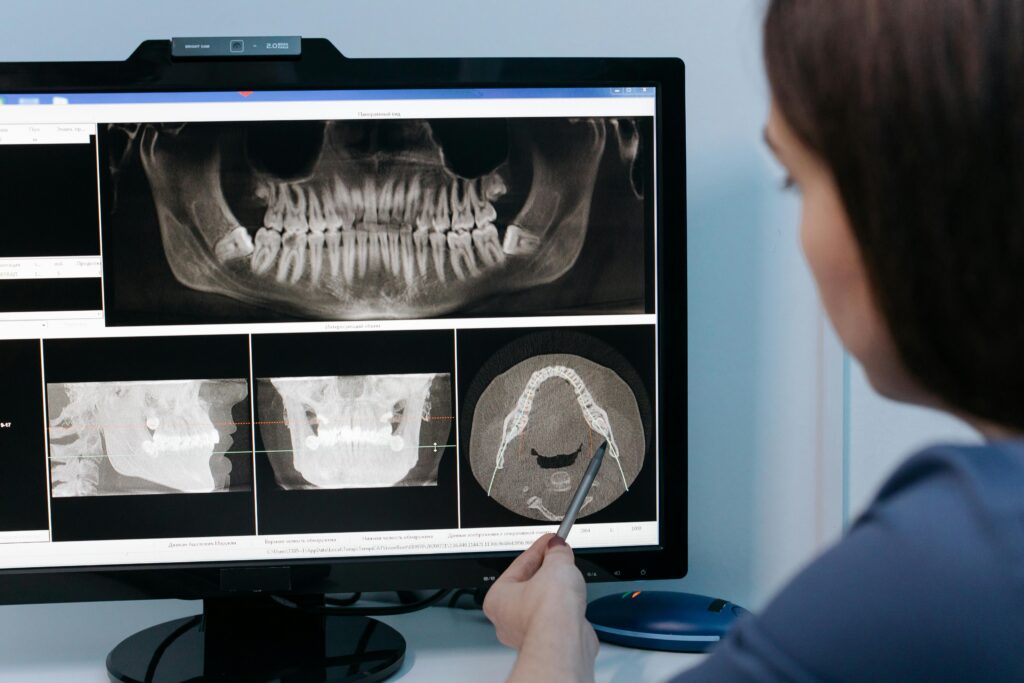
Oral cancer screening in Mesa, AZ plays a far more important role in your overall health than many people realize. While most patients focus on cavities, gum health, or cosmetic concerns, oral cancer often develops quietly and without pain in its earliest stages. Because of that, routine screenings during dental visits can be lifesaving.
Many oral cancers go unnoticed until symptoms become severe. Unfortunately, late detection often leads to more aggressive treatment and a lower survival rate. However, when caught early through a professional dentist screening, outcomes improve significantly. That is why preventive dental care includes more than just cleanings, it includes vigilance.
At Snow Family Dentistry, oral cancer screenings are an essential part of maintaining long-term oral and overall wellness. Understanding why these screenings matter helps patients make informed decisions about their health.
What Is Oral Cancer and Why Should You Care?
Oral cancer refers to abnormal cell growth occurring in the mouth, lips, tongue, cheeks, gums, floor of the mouth, or throat. While it may not receive the same attention as other cancers, it can be just as serious.
Oral cancer can affect people of all ages and backgrounds. Although some individuals face higher risk factors, no one is completely immune. Because the mouth is easily examined, early detection is possible, when screenings are performed regularly.
When oral cancer is identified early, treatment is often less invasive and more successful. Without screening, subtle changes can progress unnoticed, making future treatment more complex.
Why Oral Cancer Often Goes Undetected
One of the biggest challenges with oral cancer is that it frequently develops without noticeable symptoms. In the early stages, patients may not experience pain, swelling, or discomfort.
Additionally, early signs of oral cancer can resemble common dental issues. Small sores, minor discoloration, or slight irritation are often dismissed as harmless. Without a trained dental professional evaluating these changes, valuable time can be lost.
This is where routine oral cancer screening in Mesa, AZ becomes critical. Dentists are trained to spot abnormalities that patients may overlook.
How Dentist Screening Helps Save Lives
Dentist screening is a proactive approach to identifying potential concerns before they become serious. During an oral cancer screening, the dentist carefully examines the mouth, tongue, lips, and surrounding tissues.
The screening is quick, non-invasive, and painless. Yet, its impact can be profound. By identifying irregularities early, dentists can recommend monitoring or further evaluation when needed.
In many cases, patients are unaware anything is wrong until their dentist points it out. That early intervention can dramatically improve the survival rate associated with oral cancer.
Early Signs of Oral Cancer You Should Never Ignore
Recognizing the early signs of oral cancer empowers patients to seek professional care promptly. While these signs do not always indicate cancer, they should always be evaluated.
Common early warning signs include:
- Persistent sores that do not heal
- Red or white patches in the mouth
- Lumps or thickened areas in oral tissues
- Difficulty chewing or swallowing
- Numbness in the mouth or lips
Because these symptoms can be subtle, regular screenings ensure they are assessed by a professional rather than ignored.
Understanding Tongue Cancer and Its Risks
Tongue cancer is one of the more common forms of oral cancer. It often begins on the side or underside of the tongue, where it can easily go unnoticed.
Early tongue cancer may present as a small ulcer or patch that does not heal. Over time, it can affect speech, swallowing, and overall comfort.
Dentist screening plays a vital role in identifying tongue abnormalities early. During routine exams, dentists carefully evaluate the tongue’s surface, texture, and mobility.
Key Risk Factors for Oral Cancer
Understanding risk factors helps patients make informed lifestyle and healthcare choices. While anyone can develop oral cancer, certain factors increase the likelihood.
Common risk factors include:
- Tobacco use in any form
- Excessive alcohol consumption
- Prolonged sun exposure to the lips
- Poor oral hygiene
- Certain viral infections
Even patients without these risk factors should still receive regular screenings. Oral cancer can develop in individuals with no obvious risk profile.
Why Regular Dental Visits Are Essential
Many patients underestimate the value of routine dental visits. However, these appointments provide more than just clean teeth.
Preventive dental care includes comprehensive evaluations that look beyond cavities. Oral cancer screening in Mesa, AZ is a standard part of responsible dental care because it prioritizes long-term health.
By attending regular dental checkups, patients increase the chances of early detection. This proactive approach supports better outcomes and peace of mind.
The Connection Between Early Detection and Survival Rate
The survival rate for oral cancer varies greatly depending on when it is detected. Early-stage oral cancer has a significantly higher survival rate compared to cases diagnosed at advanced stages.
When cancer is found early, treatment options are often simpler and more effective. In contrast, late-stage detection may require extensive procedures and longer recovery times.
Routine dentist screening directly impacts survival by identifying issues before they progress.
What Happens During an Oral Cancer Screening?
Many patients are unsure what an oral cancer screening involves. Fortunately, the process is straightforward and comfortable.
During the screening, the dentist visually examines the mouth and gently feels for abnormalities. This includes checking the lips, gums, cheeks, tongue, and throat area.
The screening adds only a few minutes to a regular appointment but provides invaluable insight into oral health.
Why Screenings Matter Even Without Symptoms
A common misconception is that screenings are only necessary when symptoms are present. In reality, waiting for symptoms can be dangerous.
Oral cancer often develops silently. By the time pain or discomfort appears, the condition may already be advanced.
Preventive screenings catch changes early, often before patients notice anything unusual. This makes routine oral cancer screening in Mesa, AZ an essential preventive measure.
How Preventative Dental Care Protects Overall Health
Oral health is closely linked to overall wellness. Conditions in the mouth can reflect or influence systemic health issues.
Preventative dental care focuses on identifying problems early, reducing the risk of complications. Oral cancer screenings align with this philosophy by prioritizing early detection and patient education.
By maintaining regular dental visits, patients support not only their oral health but their overall quality of life.
Addressing Common Myths About Oral Cancer Screenings
Despite their importance, oral cancer screenings are sometimes misunderstood.
Some patients believe screenings are unnecessary unless they smoke or drink. Others assume oral cancer only affects older adults.
In reality, oral cancer can affect anyone. Screenings are recommended for all adult patients as part of routine dental care.
The Role of Patient Awareness and Education
Education is a powerful tool in preventive healthcare. When patients understand what to look for, they are more likely to seek timely care.
Dentists play a key role in educating patients about early signs of oral cancer and the importance of screenings.
Informed patients are better equipped to make decisions that protect their long-term health.
Why Choose Routine Oral Cancer Screening in Mesa, AZ?
Choosing regular oral cancer screening in Mesa, AZ means prioritizing prevention over reaction. It reflects a commitment to proactive healthcare rather than waiting for problems to arise.
Local dental providers understand the importance of community health and patient education. Screenings are tailored to each patient’s needs and risk profile.
Consistency in care builds a strong foundation for lifelong oral health.
When Should You Schedule an Oral Cancer Screening?
Most oral cancer screenings are performed during routine dental exams. There is no need for a separate appointment unless advised by your dentist.
Adults should receive screenings regularly, especially as part of preventive dental care plans.
If you notice any unusual changes between visits, scheduling an evaluation promptly is always recommended.
Supporting Long-Term Health Through Prevention
Preventive care is about more than avoiding discomfort, it is about protecting your future health.
Oral cancer screenings are a small investment of time that can have a major impact on outcomes. Early detection supports simpler treatment and better quality of life.
By staying proactive, patients take control of their health journey.
Making Oral Cancer Screening a Priority
When patients understand the importance of oral cancer screenings, they are more likely to stay consistent with dental visits.
Screenings are a simple yet powerful tool in preventive healthcare. They reflect a commitment to awareness, education, and early intervention.
Taking that extra step during a routine dental visit can make all the difference.
Conclusion
Protecting your oral health starts with informed choices and regular care. Oral cancer screening in Mesa, AZ is a vital part of that commitment.
If you have questions about screenings or preventive dental care, Contact us today to learn more or schedule your next visit.
At Snow Family Dentistry, patient education and preventive care remain at the heart of every appointment, because your health matters more than you think.
Frequently Asked Questions
Choose a kids dentist Mesa experienced in easing anxiety. Gentle introductions, games, and positive reinforcement go a long way.
When appropriate, modern imaging like digital panoramic radiographs provides safe, low dose views of oral development.