




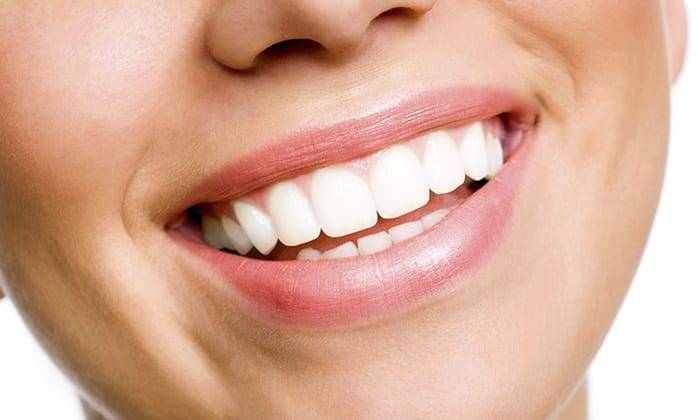
Good oral health begins with consistent daily habits and regular professional care. Learning how to improve oral hygiene can help protect your teeth, gums, and overall well-being while reducing the risk of common dental problems. Whether you are caring for your own smile or helping your family maintain healthy habits, small changes can make a lasting difference.
At Snow Family Dentistry, we believe prevention is the key to long-term oral health. Our family-owned practice in Mesa, Arizona, provides comprehensive dental care with a personal touch, creating a comfortable experience for patients of all ages. We combine advanced dental technology with compassionate care to help every patient achieve and maintain a healthy smile.
Good oral hygiene is about more than brushing your teeth twice a day. It involves developing healthy routines, scheduling regular dental visits, and making informed lifestyle choices that support your oral health. Below are ten dentist-approved strategies that can help you maintain strong teeth, healthy gums, and a confident smile.
Why Good Oral Hygiene Matters
Healthy teeth and gums play an important role in your everyday life. They allow you to eat comfortably, speak clearly, and smile with confidence. More importantly, maintaining excellent oral hygiene helps reduce the risk of cavities, gum disease, bad breath, and other dental concerns.
Routine oral hygiene tips combined with professional preventive dental care allow your dentist to detect small concerns before they become more serious.
In addition, healthy oral habits contribute to your overall wellness. A clean, healthy mouth supports better quality of life and helps preserve your natural teeth for years to come.
How to Improve Oral Hygiene
Improving your oral hygiene does not require complicated routines. Instead, it involves following consistent habits every day while partnering with your dental team for regular preventive care.
The following dentist-approved recommendations can help patients of all ages maintain healthier smiles.
1. Brush Your Teeth Correctly Twice Every Day
Brushing remains the foundation of every effective oral hygiene routine. However, brushing correctly is just as important as brushing regularly. Using proper technique helps remove plaque without damaging your enamel or irritating your gums.
Use a Soft-Bristled Toothbrush
A soft-bristled toothbrush cleans effectively while being gentle on your gums and enamel.
Medium or hard bristles may cause unnecessary wear if excessive pressure is used. Most dentists recommend replacing your toothbrush every three to four months or sooner if the bristles become worn.
Brush for Two Full Minutes
Many people brush for less than one minute without realizing it. Taking two full minutes allows enough time to clean every surface of your teeth thoroughly. Divide your mouth into sections so each area receives equal attention.
2. Choose Fluoride Toothpaste
The toothpaste you use can make a significant difference in protecting your smile. Fluoride helps strengthen enamel and reduces the risk of tooth decay by supporting the natural remineralization process.
Read Product Labels Carefully
Choose toothpaste that contains fluoride and has been evaluated by reputable dental organizations. Your dentist can also recommend products based on your individual oral health needs.
Don’t Use More Than Necessary
Adults generally need only a pea-sized amount of toothpaste. Using the correct amount provides effective cleaning while minimizing unnecessary waste.
3. Floss Every Day
Even excellent brushing cannot clean every part of your mouth. Flossing removes food particles and plaque from between the teeth where toothbrush bristles cannot easily reach.
Why Flossing Matters
Plaque often accumulates between teeth. Without flossing, bacteria remain in these spaces and may contribute to cavities or gum inflammation over time.
Build Flossing into Your Routine
Floss at the same time each day to build consistency. Many patients find it easier to floss before bedtime so food particles are removed before sleeping.
4. Clean Your Tongue Every Day
Your tongue naturally collects bacteria throughout the day. If left untreated, these bacteria may contribute to bad breath and affect your overall oral hygiene.
Use a Tongue Scraper or Toothbrush
Gently clean your tongue from back to front after brushing. This simple habit removes bacteria and helps your mouth feel fresher throughout the day.
Make Tongue Cleaning a Daily Habit
Like brushing and flossing, tongue cleaning should become part of your regular oral hygiene routine. When practiced consistently, it supports cleaner breath and healthier oral tissues.
5. Drink More Water Throughout the Day
Water is one of the easiest ways to support a healthy smile. It helps rinse away food particles and supports saliva production, which naturally protects your teeth.
Water Helps Reduce Acid Exposure
After eating, water helps wash away leftover sugars and acids that can contribute to tooth decay. Although water does not replace brushing, it supports healthier conditions between meals.
Stay Hydrated
A dry mouth creates an environment where bacteria can multiply more easily. Drinking enough water throughout the day helps maintain healthy saliva flow and supports overall oral health.
6. Limit Sugary Foods and Drinks
Diet has a direct impact on your oral health. Frequent consumption of sugary foods and beverages increases the amount of acid-producing bacteria inside the mouth.
Choose Smile-Friendly Snacks
Fresh fruits, vegetables, cheese, yogurt, and nuts are often better choices than sticky candies or sugary snacks. Balanced nutrition supports both your overall health and your dental health.
Reduce Frequent Snacking
Constant snacking exposes your teeth to repeated acid attacks throughout the day. Allowing time between meals gives your saliva an opportunity to help protect your enamel.
7. Schedule Regular Preventive Dental Visits
Daily home care is essential, but professional preventive dental care remains equally important.
Routine dental examinations and cleanings allow your dentist to monitor your oral health and identify concerns before they become more complex. At Snow Family Dentistry, we believe preventive care is the foundation of long-term dental health.
Professional Cleanings Remove What Brushing Cannot
Even patients with excellent home care develop plaque and tartar in areas that are difficult to clean. Professional cleanings remove these deposits and help reduce the risk of gum disease and cavities.
Early Detection Leads to Better Outcomes
Routine examinations allow your dentist to identify small issues before they require more extensive treatment. Preventive care helps preserve your natural teeth while supporting long-term oral health.
8. Wear a Mouthguard When Needed
Protecting your teeth is just as important as keeping them clean. If you participate in sports or grind your teeth while sleeping, wearing a properly fitted mouthguard can help prevent unnecessary damage.
At Snow Family Dentistry, we believe prevention includes protecting your smile from avoidable injuries and excessive wear.
Protect Your Teeth During Sports
Athletes of all ages should wear a mouthguard during activities that involve physical contact or the risk of falls. A properly fitted mouthguard helps reduce the chance of chipped, cracked, or knocked-out teeth while also protecting the soft tissues inside your mouth.
Prevent Damage from Teeth Grinding
Many people grind or clench their teeth during sleep without realizing it.
Over time, this habit can wear down enamel, create jaw discomfort, and increase the risk of cracked teeth. If you frequently wake up with jaw soreness or headaches, your dentist can evaluate your symptoms and recommend appropriate protection.
9. Avoid Tobacco Products
Tobacco use affects nearly every part of your oral health. Smoking and other tobacco products increase the risk of gum disease, tooth discoloration, persistent bad breath, and many other oral health concerns.
Healthy Gums Start with Healthy Choices
Healthy gums provide the foundation for strong teeth. Avoiding tobacco allows your gums to heal more effectively and supports better long-term oral health.
Your Smile Will Benefit
Patients who avoid tobacco often experience healthier gums, fresher breath, and a brighter smile. Making healthier lifestyle choices supports both your oral health and your overall well-being.
10. Follow Your Dentist’s Personalized Recommendations
Every patient has unique dental needs. Although general oral hygiene habits benefit everyone, your dentist may recommend additional preventive steps based on your age, dental history, or specific concerns.
Preventive Care Is Never One-Size-Fits-All
Some patients benefit from more frequent professional cleanings, while others may need additional preventive treatments based on their oral health.
Following personalized recommendations helps protect your smile and reduces the likelihood of future dental problems.
Build a Long-Term Relationship with Your Dentist
Consistent dental visits allow your dentist to monitor changes over time and provide recommendations that evolve with your needs. Building this relationship creates a stronger foundation for lifelong oral health.
Common Oral Hygiene Mistakes to Avoid
Knowing what not to do is just as valuable as developing healthy habits. Many patients unintentionally make mistakes that reduce the effectiveness of their daily routine.
Brushing Too Hard
Using excessive pressure does not clean your teeth better. Instead, brushing too aggressively may wear away enamel and irritate your gums. Gentle, consistent brushing with a soft-bristled toothbrush is much more effective.
Skipping Flossing
Some people believe brushing alone is enough. However, plaque and food particles often remain between teeth unless they are removed with floss or another recommended interdental cleaning tool.
Waiting Until Something Hurts
Dental problems do not always cause pain in their earliest stages. Routine examinations allow dentists to identify concerns before they become uncomfortable or require more extensive treatment.
Building Healthy Oral Hygiene Habits as a Family
Good oral health begins at home. When families practice healthy habits together, children are more likely to develop routines they continue throughout adulthood.
Lead by Example
Children learn by observing the adults around them. When parents brush, floss, and attend regular dental appointments, children understand that oral health is an important part of daily life.
Create Consistent Routines
Choose specific times each day for brushing and flossing. Morning and bedtime routines help make oral hygiene a natural part of everyday life for every family member.
The Importance of Preventive Dental Care
Home care and professional dentistry work together to protect your smile. While brushing and flossing are essential, they cannot replace routine preventive dental care.
Professional dental visits allow your dentist to:
- Monitor your overall oral health.
- Detect cavities early.
- Evaluate your gums.
- Remove plaque and tartar.
- Identify bite or alignment concerns.
- Recommend personalized treatment when necessary.
These routine appointments help protect your healthy teeth while reducing the need for more extensive dental treatment in the future.
Why Patients Choose Snow Family Dentistry
Choosing the right dental team makes maintaining good oral hygiene easier.
At Snow Family Dentistry, dentistry meets hospitality. Our family-owned practice is dedicated to providing exceptional care in a welcoming and comfortable environment for patients of all ages.
Our practice offers:
- Comprehensive preventive dental care
- Family-friendly dental services
- Modern dental technology
- Comfortable amenities, including massage chairs and a comfort menu
- Personalized treatment plans
- Cosmetic, restorative, and emergency dental services
- Compassionate care focused on long-term oral health
Whether you are visiting for a routine cleaning or a more advanced procedure, our goal is to help you enjoy a positive dental experience while maintaining a healthy smile.
Small Daily Habits Lead to Lifelong Results
Improving your oral hygiene does not require dramatic changes. Instead, it comes from making consistent, healthy choices every day.
Brushing correctly, flossing daily, eating a balanced diet, staying hydrated, protecting your teeth, and visiting your dentist regularly all contribute to long-term oral health. These simple habits help preserve your natural teeth, support healthy gums, and reduce the likelihood of preventable dental problems. When combined with professional preventive care, they create a strong foundation for lifelong oral wellness.
Conclusion
Learning how to improve oral hygiene is one of the best investments you can make in your long-term health. Consistent daily habits, combined with routine professional care, help protect your teeth and gums while reducing the risk of future dental problems. From proper brushing and flossing to regular cleanings and preventive exams, every step you take today supports a healthier smile tomorrow.
At Snow Family Dentistry, we are committed to helping patients of all ages achieve lasting oral health through compassionate, personalized care. If you are ready to strengthen your preventive dental routine and keep your smile healthy for years to come, Contact us today to schedule your next appointment with our experienced dental team.
Frequently Asked Questions
Brush twice a day with fluoride toothpaste, floss daily, clean your tongue, maintain a healthy diet, and visit your dentist regularly for preventive care.
Most dentists recommend replacing your toothbrush or electric toothbrush head every three to four months, or sooner if the bristles become worn.
Yes. Flossing removes plaque and food particles from between your teeth, helping reduce the risk of cavities and gum disease.
Most patients benefit from routine dental exams and cleanings every six months, although your dentist may recommend a different schedule based on your oral health needs.
Yes. Limiting sugary foods and drinks while choosing nutrient-rich foods supports stronger teeth and healthier gums.