




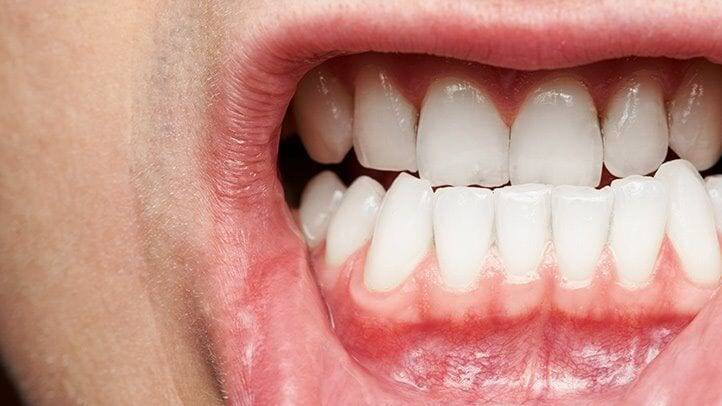
A deep cleaning teeth appointment is different from a routine dental cleaning. Instead of focusing only on the visible surfaces of your teeth, a deep cleaning addresses plaque and tartar that have accumulated around and below the gumline. It is commonly recommended when a dental examination shows signs of gum disease or deeper periodontal pockets.
For many patients, the idea of a deep cleaning can sound uncomfortable or complicated. However, understanding what happens during the appointment can make the process much easier to prepare for. At Snow Family Dentistry, we take the time to explain each step so patients know what to expect before treatment begins.
A deep cleaning may involve scaling and root planing, which cleans the tooth surfaces and smooths areas of the roots where bacteria and tartar can collect. The exact treatment depends on your gum health, the amount of buildup present, and the condition of the tissues surrounding your teeth.
Why Is a Deep Cleaning Recommended?
A deep cleaning is generally recommended when plaque and tartar have moved below the gumline and contributed to inflammation or periodontal disease. Unlike ordinary plaque, hardened tartar cannot be removed effectively with brushing and flossing alone.
During an examination, your dental team may check your gums for redness, swelling, bleeding, tenderness, recession, or deeper periodontal pockets. These findings can help determine whether routine preventive care is enough or whether more extensive treatment is appropriate.
How Gum Disease Can Develop
Gum disease often begins with plaque, a sticky film of bacteria that forms naturally on teeth. Without consistent brushing, flossing, and professional cleanings, plaque can harden into tartar.
As bacteria and tartar remain around the gumline, the gums can become inflamed. In more advanced situations, the infection can affect the tissues and bone supporting the teeth.
Because gum disease may develop with few noticeable symptoms, regular dental examinations are important. A person may not experience significant pain even when periodontal problems are progressing.
What Happens Before the Deep Cleaning?
Before treatment begins, your dental team will evaluate your oral health and determine which areas require additional attention. This step helps make sure the treatment is appropriate for your specific condition.
Your dentist or dental professional may examine your gums, measure periodontal pockets, look for signs of inflammation, and review your dental history. Depending on your situation, dental imaging or other diagnostic tools may also be used.
Evaluating Your Gums and Teeth
The condition of your gums is an important part of determining whether a deep cleaning is necessary. Healthy gum tissue generally fits closely around the teeth, while periodontal disease can create deeper spaces where bacteria and tartar accumulate.
Your dental team may also look for:
- Bleeding or swollen gums
- Gum recession
- Plaque and tartar buildup
- Persistent bad breath
- Tender areas around the gums
- Changes in the position or stability of teeth
- Signs of bone loss
This evaluation helps determine where treatment is needed rather than applying the same approach to every patient.
What Is Scaling and Root Planing?
Scaling and root planing is a common form of deep periodontal cleaning. Scaling focuses on removing plaque and tartar from the teeth, including deposits below the gumline. Root planing focuses on smoothing the root surfaces so they are cleaner and less favorable to bacterial buildup.
The procedure is more thorough than a standard cleaning because the goal is to address areas affected by gum disease rather than simply maintain already-healthy teeth and gums.
What Happens During Scaling?
During scaling, specialized dental instruments are used to remove hardened deposits from the tooth surfaces. The dental professional carefully works around the gumline and, when necessary, below it.
Depending on the amount and location of tartar, different instruments may be used. The treatment is performed carefully to clean the affected areas while protecting the surrounding tissues.
Once the deposits have been removed, the teeth can be polished to help smooth their surfaces and remove remaining surface debris.
What Happens During Root Planing?
Root planing addresses the surfaces of the tooth roots below the gumline. When gum disease has created periodontal pockets, these areas can become difficult to clean effectively with normal brushing and flossing.
The root surfaces are carefully cleaned and smoothed to remove bacterial deposits and rough areas where plaque can accumulate.
The purpose is not simply to make the teeth feel smooth. Root planing supports healthier gum tissue by creating a cleaner environment around the teeth.
Does Deep Cleaning Teeth Hurt?
Patients often worry about discomfort before a deep cleaning. The experience can vary depending on the severity of gum disease, the sensitivity of the teeth, and the amount of treatment required.
A local anesthetic may be used when appropriate to help keep the treatment area comfortable. Your dental team can discuss your concerns before treatment and explain the available comfort measures.
Afterward, some patients experience temporary sensitivity or mild gum tenderness. These symptoms generally improve as the tissues recover.
If you are concerned about discomfort, tell your dental team before treatment begins. Clear communication can help your provider adjust the approach and make the appointment more comfortable.
What Should You Expect After Treatment?
After scaling and root planing, your gums may feel different for a short period while the tissues begin to recover. Mild sensitivity, tenderness, or bleeding can occur, particularly when the gums were significantly inflamed before treatment.
Your dental team may provide personalized instructions based on your condition. These instructions can include recommendations for brushing, flossing, rinsing, and maintaining regular dental appointments.
Managing Sensitivity After a Deep Cleaning
Temporary sensitivity is one of the more common experiences after a deep cleaning. This can happen because tartar and inflamed tissue have been removed from areas that were previously covered.
For some patients, sensitivity may be more noticeable when consuming hot, cold, sweet, or acidic foods and drinks.
Following your dental team’s recommendations can help you manage these temporary symptoms. If sensitivity is severe, persistent, or becomes worse rather than better, contact your dental office for guidance.
How Long Does a Deep Cleaning Take?
The length of a deep cleaning appointment depends on the amount of tartar, the number of teeth affected, and the severity of periodontal disease.
Some patients may need treatment across several areas of the mouth, while others may have specific sections that require attention. For this reason, there is no single appointment length that applies to everyone.
In some cases, treatment may be divided into multiple appointments. This allows the dental team to focus on specific areas and gives patients an opportunity to recover between visits when appropriate.
Your dentist can explain how many appointments may be recommended after evaluating your gums and teeth.
Deep Cleaning vs. Regular Dental Cleaning
A regular professional cleaning is primarily preventive. It helps remove plaque and tartar from accessible tooth surfaces and supports good oral hygiene.
A deep cleaning is more extensive and is generally used when gum disease has caused buildup below the gumline.
The two procedures therefore serve different purposes.
A routine cleaning can help prevent periodontal problems from developing or worsening. When gum disease is already present, however, additional treatment may be needed to clean deeper areas and support healthier gums.
This is why regular dental examinations are important. Detecting gum problems early may allow treatment to remain simpler and more focused.
Why Follow-Up Care Matters
A deep cleaning is not a replacement for ongoing oral hygiene. Once treatment is complete, maintaining the results requires consistent home care and professional monitoring.
Your dental team may recommend a personalized maintenance schedule depending on your periodontal health. Patients with a history of gum disease may need more frequent periodontal maintenance than someone with healthy gums.
Keeping Your Gums Healthy at Home
Good home care can support the results of professional treatment. Daily brushing and flossing help control plaque between appointments, while professional cleanings remove deposits that cannot be removed effectively at home.
Helpful habits include:
- Brush your teeth twice a day using proper technique.
- Clean between your teeth every day.
- Follow any personalized periodontal care recommendations.
- Avoid ignoring persistent gum bleeding or swelling.
- Keep recommended dental appointments.
- Tell your dental team about changes in your gums or teeth.
If you have been diagnosed with gum disease, following your maintenance plan is particularly important.
When Should You Seek Gum Disease Treatment?
Signs such as bleeding gums, persistent bad breath, swollen gums, gum recession, or loose teeth should not be ignored. While occasional bleeding may have several causes, recurring symptoms can indicate an underlying periodontal concern.
Early evaluation allows your dentist to determine what is happening and whether treatment is needed.
Our gum disease treatment services focus on evaluating the condition of the gums and determining an appropriate approach based on each patient’s needs.
The earlier a problem is identified, the more opportunities there may be to manage it before it progresses.
How Snow Family Dentistry Supports Preventive Oral Health
At Snow Family Dentistry, we view preventive care as an important part of maintaining long-term oral health. Routine examinations and cleanings allow our team to monitor the condition of your teeth and gums and identify potential concerns.
When additional treatment is necessary, we explain what is involved and why it has been recommended. This helps patients make informed decisions about their oral health without unnecessary confusion.
Our preventive services can include professional cleanings, periodontal maintenance, oral cancer screenings, and evaluations for gum disease.
For patients who require more extensive periodontal care, scaling and root planing may be recommended as part of their treatment plan.
Conclusion
A deep cleaning teeth appointment is designed to address plaque and tartar that have accumulated below the gumline and contributed to periodontal problems. Treatment may include scaling and root planing, followed by personalized instructions for maintaining healthier gums.
Although the process is more involved than a regular cleaning, understanding what happens during the appointment can make the experience easier and less stressful. Your dental team can also explain what to expect, discuss comfort options, and recommend follow-up care based on your oral health.
If you have bleeding, swollen, tender, or receding gums, an evaluation can help determine whether additional care is needed. At Snow Family Dentistry, we can assess your gum health and discuss appropriate treatment options for your needs. Contact us to learn more about maintaining healthy teeth and gums.
Frequently Asked Questions
No. A regular cleaning primarily removes plaque and tartar from accessible tooth surfaces. A deep cleaning addresses buildup below the gumline and may include scaling and root planing when periodontal disease is present.
Recovery varies from person to person. Mild gum tenderness or sensitivity may occur temporarily after treatment. Your dental team can provide specific aftercare recommendations based on your procedure and gum health.
Many patients can eat after treatment, although sensitivity may make very hot, cold, hard, or spicy foods uncomfortable temporarily. Follow the specific recommendations provided by your dental team.
A deep cleaning is not typically performed on a routine schedule for everyone. It is recommended when an examination shows periodontal concerns that require treatment. Follow-up periodontal maintenance may then be recommended based on your gum health.
Good oral hygiene, regular dental examinations, professional cleanings, and consistent care between appointments can help reduce the risk of gum disease. If you notice persistent bleeding, swelling, or other changes in your gums, schedule an evaluation.